ADAS Calibration
The Importance of ADAS Calibration After Windshield Replacement
When you have a new windshield installed, your vehicle’s Advanced Driver Assistance Systems (ADAS)—including features like lane departure warning, adaptive cruise control, and automatic emergency braking—require proper ADAS calibration.
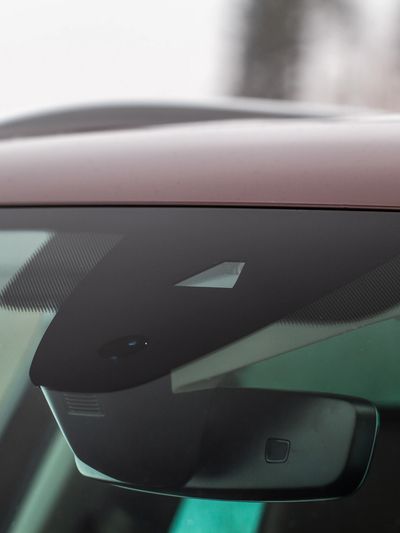
Precision is Safety: Most ADAS cameras and sensors are mounted directly behind your windshield. Even a slight misalignment of just one degree can shift the system's 'vision' by as much as 20 feet on the road ahead, potentially causing your safety features to fail when you need them most.
Manufacturer Requirements: Leading vehicle manufacturers explicitly require windshield replacement calibration to ensure ADAS functions correctly. Skipping this crucial step can void your vehicle’s warranty or lead to denied insurance claims if an accident occurs due to system failure.
Preventing False Alarms: Without proper ADAS calibration, your car may trigger false collision warnings or apply the brakes unexpectedly. Recalibration ensures these systems accurately interpret lane lines and the distance to other vehicles.
Two Types of Calibration: Depending on your vehicle’s make and model, we perform either Static Calibration (using specialized targets) or Dynamic Calibration (which involves driving the vehicle under specific conditions to allow the sensors to self-adjust).